

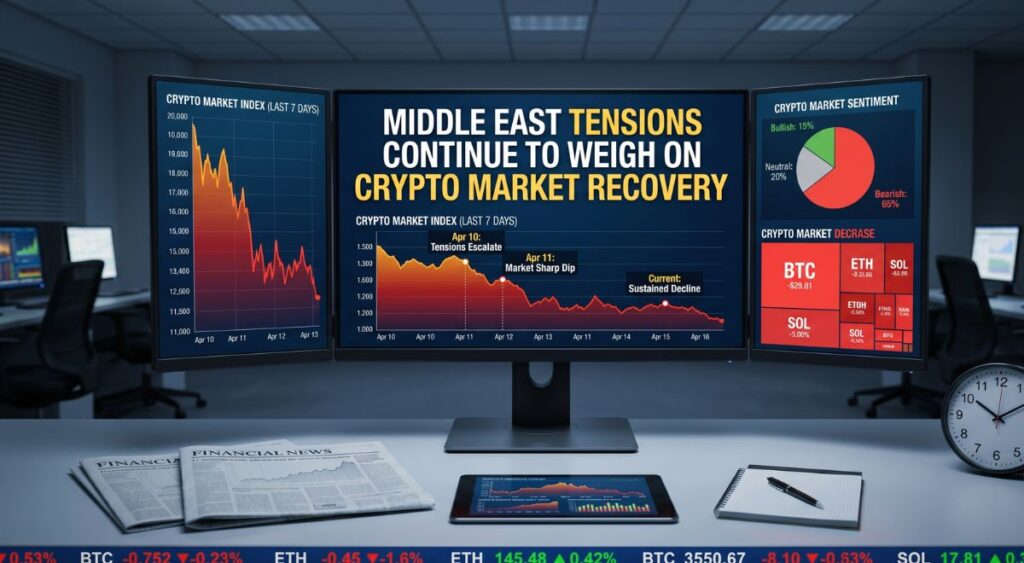
The cryptocurrency market remains under pressure as ongoing geopolitical instability in the Middle East and broader macroeconomic challenges continue to hinder a sustained recovery.
Market analysts noted that Bitcoin showed signs of strength in early May, briefly climbing above $82,000 before retreating to the $62,000–$63,000 range. While the rally sparked optimism among investors, it failed to maintain momentum as external economic and geopolitical factors dampened market sentiment.
Capital Outflows Increase After Record Highs
According to market observations, capital outflows accelerated in October 2025 after Bitcoin surged to an all-time high of $126,080. Following the record-breaking rally, investor appetite for risk assets began to weaken amid growing concerns over global economic uncertainty and escalating geopolitical conflicts.
Analysts suggest the downturn was not merely a routine market correction. Instead, changing external conditions and rising uncertainty prompted investors to reduce exposure to risk-sensitive assets, including cryptocurrencies.
Rising Oil Prices and Inflation Add Pressure
The market faced renewed challenges after the United States launched military strikes against Iran in February 2026. The conflict temporarily disrupted activity around the Strait of Hormuz, tightening global energy supplies and driving oil prices higher.
As energy costs increased, inflationary pressures intensified across major economies. Data cited in the report showed U.S. inflation reaching 4.2% in May 2026, well above the Federal Reserve’s long-term target of 2%.
In response, the Federal Reserve maintained its interest rates, limiting expectations for monetary easing. Analysts argue that persistently high inflation and reduced prospects for rate cuts have weakened support for risk assets, placing additional pressure on the cryptocurrency sector.
Recovery Outlook Hinges on Middle East Stability
Looking ahead, market observers believe the pace of crypto market recovery in 2026 will largely depend on developments in the Middle East.
Although the United States and Iran briefly reached a peace agreement last week, the situation remains fragile. The report noted that renewed tensions following an escalation in the conflict between Israel and Lebanon prompted Iran to withdraw from negotiations, creating fresh uncertainty over the prospects for a lasting ceasefire.
Should tensions between Washington and Tehran continue, the Strait of Hormuz could once again face disruption risks. Further increases in oil prices may fuel import-driven inflation worldwide, placing additional strain on global economies and keeping investor sentiment toward risk assets subdued.
As a result, analysts warn that prolonged geopolitical instability could make it difficult for the cryptocurrency market to achieve a stronger and more sustained recovery in the months ahead.