
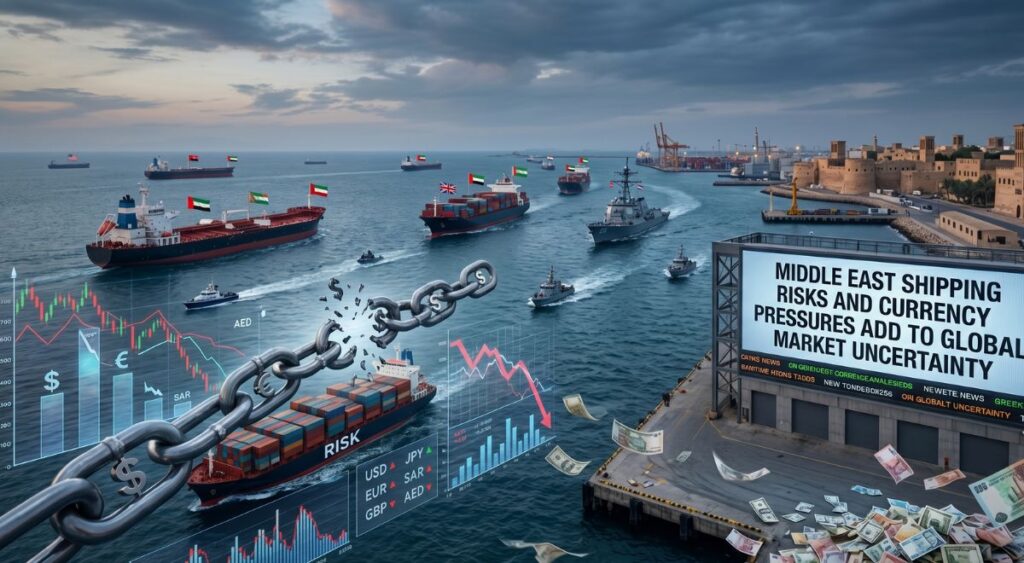
Growing geopolitical tensions in the Middle East and renewed efforts to defend weakening currencies are creating fresh challenges for global financial markets, according to a report by Huo Xing Finance.
Attention has shifted beyond the progress of U.S.-Iran negotiations to a broader contest for regional influence and strategic control. Reports indicate that Washington is increasing pressure on Oman, long regarded as a neutral mediator, to take a more defined position in the dispute, including calls to reduce or sever diplomatic engagement with Tehran. At the same time, Iran has renewed warnings about the potential closure of key maritime routes, including the Strait of Hormuz and the Bab el-Mandeb Strait, raising concerns about global energy security.
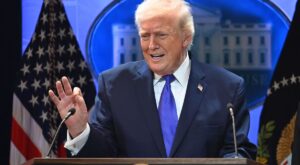
Although former U.S. President Donald Trump suggested that a diplomatic agreement could be reached within a week, significant differences remain between Washington and Tehran over the terms of any potential deal. Analysts note that these unresolved issues continue to pose risks to regional stability and international markets.
Meanwhile, Japan is facing mounting pressure in currency markets. Despite deploying a record ¥11.73 trillion in a single month to support the yen, the Japanese currency has once again weakened toward the 160-per-dollar level. Japan’s Finance Minister has reiterated that authorities remain prepared to intervene further if necessary, highlighting the challenges major economies face in maintaining exchange-rate stability amid shifting global capital flows.
The situation also reflects continued investor demand for U.S. dollar-denominated assets, which has strengthened the dollar against several major currencies.
Elsewhere, developments across key sectors are shaping market expectations. Reports that OPEC+ could increase oil production by 188,000 barrels per day, Alphabet is preparing to raise $80 billion in financing, and NVIDIA plans to introduce a new artificial intelligence chip before the end of the year point to simultaneous activity across energy, capital markets, and technology investment.
Market observers say the global economy has entered a period where three dominant themes—geopolitics, energy supply, and technology-driven capital expenditure—are increasingly interconnected.
In the cryptocurrency sector, investors are closely watching changes in global liquidity conditions and risk sentiment. Any escalation of tensions around the Strait of Hormuz could drive higher energy prices and fuel inflation concerns, potentially weighing on investor confidence. Conversely, meaningful progress in U.S.-Iran negotiations could improve market sentiment and encourage greater risk-taking.
For now, analysts expect cryptocurrency markets to remain highly sensitive to developments in global liquidity, monetary conditions, and geopolitical events as investors continue to reassess risk in an uncertain environment.