

Crypto-related shares moved higher after the U.S. Treasury’s decision to double its buyback activity helped improve sentiment across risk assets, although analysts said the impact on bond markets was limited and likely temporary.
The Treasury intervention provided a positive signal for cryptocurrencies, with the rally also gaining momentum from investors covering short positions after weeks of tight trading.
“The rally was then fueled by a wave of short-covering, following weeks of extremely narrow trading,” said Alex Kuptsikevich, chief market analyst at brokerage FxPro, in a research note.
Bitcoin climbed 3.48% to around $71,505, briefly moving above $70,000 for the first time since June. Despite the latest rebound, the largest cryptocurrency remains about 18% lower so far this year and is roughly 43% below its record high reached in October.
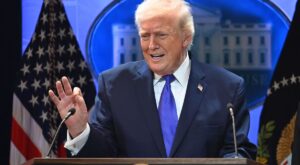
Market sentiment was also supported by President Donald Trump’s renewed backing for cryptocurrency legislation. During a White House event with crypto industry executives on Wednesday, Trump urged lawmakers to approve what he described as a “fair version” of the Clarity Act, which has been stalled in the Senate.
Trump has previously pledged to establish the United States as the “crypto capital of the world” and has benefited from his own cryptocurrency ventures.
“Trump’s comments are incrementally positive because they suggest the White House is putting more direct pressure on Congress to get the legislation done,” said Bo Pei, an analyst at U.S. Tiger Securities.
The Clarity Act is viewed as a major priority for the cryptocurrency industry. If passed, the legislation would establish clearer rules for determining whether digital assets should be classified as securities or commodities. It would also help define the respective regulatory responsibilities of the Securities and Exchange Commission and the Commodity Futures Trading Commission.
Analysts said clearer regulatory guidelines could provide greater certainty for crypto businesses and investors, potentially supporting broader institutional participation in the sector.