

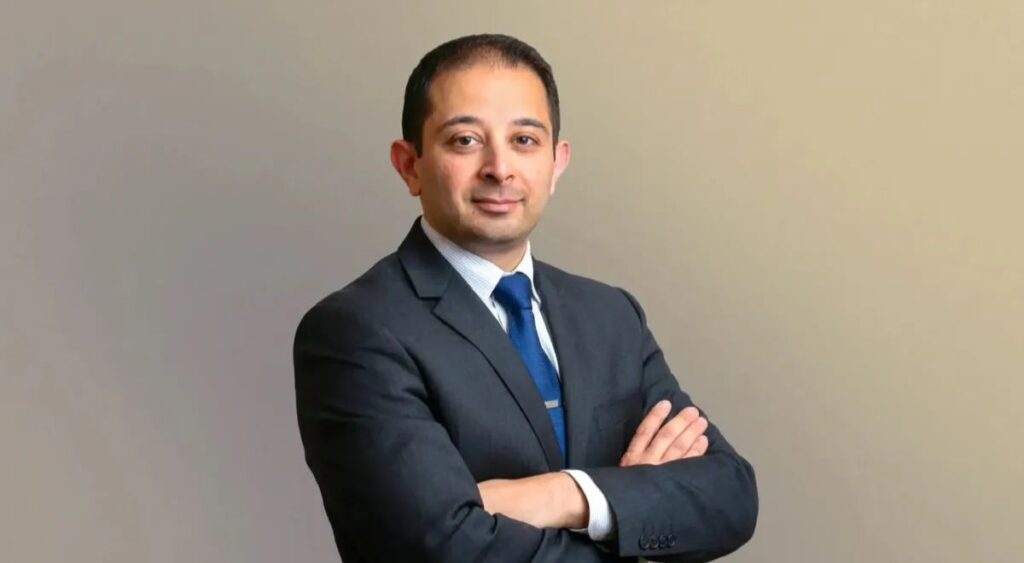
Dubai-based Zamanat is seeking to open a new financing channel for small and medium-sized businesses across the GCC through a tokenized private credit fund aimed at connecting regional capital with underserved companies.
Founded by Umair Tariq and based in the Dubai International Financial Centre (DIFC), Zamanat has launched a tokenized fund designed to provide financing to SMEs that may struggle to meet traditional bank lending requirements.
The initiative also aims to give high-net-worth individuals and family offices greater access to regional private credit, an asset class that has traditionally been dominated by institutional investors.
Addressing the GCC’s SME funding gap
Tariq said the GCC does not suffer from a shortage of capital. Instead, much of the available banking capital is directed towards sovereign entities, government-backed projects and large family-owned conglomerates.
Banks often have strict lending requirements covering areas such as trading history, audited financial statements and collateral. According to Tariq, even established companies can sometimes fall outside these criteria.
He said banks will remain an essential part of the regional economy, but argued that the GCC needs an additional financing channel capable of extending credit to viable businesses that do not fit conventional banking requirements.
Growing appetite for private credit
Interest in SME financing has expanded across the region, supported by alternative lending platforms and financial institutions.
Tariq pointed to companies including Beehive and Funding Souq, as well as developments in Saudi Arabia, as examples of the growing ecosystem around SME lending.
At the same time, regional investors are showing greater interest in deploying capital closer to home.
While GCC investors have historically participated in private credit funds focused on the United States and Europe, Tariq believes there is an opportunity to provide high-net-worth individuals and private family offices with greater access to private credit opportunities within the Gulf.
Zamanat’s model is designed to help bridge that gap by directing private investment towards businesses operating within the GCC.
Tokenized fund is only the beginning
Tariq said the private credit fund represents the first stage of Zamanat’s broader strategy rather than the company’s entire business model.
The company ultimately aims to connect investors with assets that have traditionally been difficult for private investors to access.
Zamanat is currently building its team, developing technology and working on additional products, with further announcements expected as the platform expands.
Building a startup from Dubai
Tariq described Zamanat as being firmly in its startup and growth phase, meaning his working day currently has little fixed structure.
His mornings, however, follow a consistent routine.
Tariq typically wakes at around 4:15am, beginning his day with prayer before exercising and spending some time meditating. He then focuses on his family, helping his children prepare for the day and taking his son to school before heading to the office.
When he is in Dubai, Tariq said he generally arrives at work at around 7:40am to 7:45am and tries to maintain the same early-morning routine during weekends.
Once at the office, priorities range from recruitment and product development to technology and growth.
With Zamanat still being built, Tariq said maintaining a rigid daily schedule is difficult, although he expects the company’s working structure to become more defined as it scales.
Technology and time management
Technology is also playing a role in how Tariq manages the demands of building the company. He said he uses Claude as one of the tools helping him stay productive, alongside careful calendar and time management.
Setting aside dedicated periods for projects, tracking outstanding work and maintaining focus remain central to managing the workload.
The intensity of building Zamanat also means switching off at the end of the day can be difficult.
Tariq nevertheless tries to reserve time for family dinners and reading. An avid reader, he previously completed around 40 to 50 books annually, although the demands of building the company have made maintaining that pace more challenging.
Hiking is another way he looks to disconnect from work when time permits.
For Zamanat, the larger objective remains creating an alternative route between Gulf capital and GCC businesses seeking financing, while broadening investor access to regional private credit opportunities.