
Democrats’ victory in the US midterm elections, escalating security concerns in the Strait of Hormuz and a $6.3 billion cryptocurrency theft at Binance were among the major developments discussed in the latest episode of Arabian Business’s weekly podcast, This Week in Business.
Presented by Head of News Tom Evans and Managing Editor Tala Michel Issa, the episode examined how political uncertainty, regional tensions and cybersecurity threats are influencing economic conditions and investment decisions across the Gulf.
The discussion also covered energy security challenges highlighted at ADIPEC 2026, Saudi Aramco’s latest financial performance and the launch of a Dubai-based recruitment platform targeting the real estate industry.
Democrats Secure Control of US Congress in Major Setback for Trump
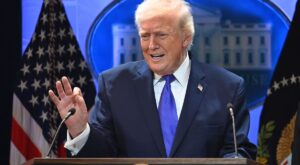
The Democratic Party won control of both chambers of the US Congress in the November 3 midterm elections, dealing a significant political blow to President Donald Trump and the Republican Party.
The election results reflected growing public dissatisfaction with rising living costs, inflation and the economic consequences of the conflict with Iran. Higher energy prices linked to regional instability also contributed to voter concerns.
Trump acknowledged the impact of the Iran conflict on Republican electoral losses. The Democratic victory is expected to increase congressional oversight of his administration and complicate efforts to advance its legislative priorities.
AP News+1
However, Trump will retain presidential authority over foreign policy and other executive matters, alongside his power to veto legislation.
The political shift could also influence major Gulf investment commitments in the United States. The UAE has announced a $1.4 trillion investment framework spanning 10 years, while Saudi Arabia has outlined approximately $600 billion in agreements and Qatar has presented an investment framework valued at around $1.2 trillion.
These commitments represent long-term investment plans and announced agreements rather than immediate financial transfers.
The podcast also explored whether the election outcome reflects a lasting change in American political preferences or a temporary reaction to the governing party.
Evans additionally discussed similarities between current competition over energy supplies, technological development and strategic resources and the geopolitical tensions that preceded the First World War.
Strait of Hormuz Tensions Intensify Following US Strikes on Iran
Security concerns surrounding the Strait of Hormuz remained central to the regional discussion following reported US military strikes on Iran’s Qeshm Island on November 2.
American officials described the operation as a limited defensive response to Iranian missile activity targeting US aircraft, rather than the beginning of a wider military offensive.
Reuters+1
Tensions escalated further after Iran’s Islamic Revolutionary Guard Corps claimed that commercial tankers had caught fire after encountering naval mines near the strategic shipping corridor. Reports of four affected vessels circulated during the week, although the claims had not been independently verified.
Separately, the United Kingdom Maritime Trade Operations agency reported that a tanker had been hit by unidentified projectiles in waters near Oman.
The incidents raised fresh concerns about maritime security and the potential consequences for global oil transportation.
Meanwhile, Qatar continued its diplomatic efforts to reduce tensions between Washington and Tehran. Despite ongoing negotiations, significant differences remained between the two sides over the conditions required for an agreement.
Oil markets experienced volatility as investors assessed the possibility of diplomatic progress against the continuing threat of shipping disruptions.
ADIPEC 2026 Highlights Growing Global Energy Security Challenges
Energy supply resilience emerged as a major theme at ADIPEC 2026 in Abu Dhabi, where industry leaders warned about the economic impact of disruptions to international shipping routes.
ADNOC Managing Director and Group CEO Dr Sultan Ahmed Al Jaber said approximately one billion barrels of crude oil had been withdrawn from global inventories since shipping through the Strait of Hormuz was disrupted.
He also highlighted a sharp increase in transportation and logistics expenses, with costs rising from less than 5% to more than 30% of the value of a barrel.
Al Jaber stressed that reliable energy supplies depend not only on production capacity but also on the infrastructure needed to transport resources to international markets.
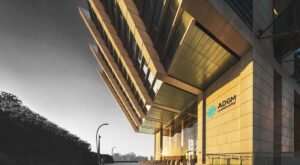
ADIPEC
UAE Minister of Energy and Infrastructure Suhail Al Mazrouei outlined the country’s plans to mobilise between AED150 billion and AED200 billion in energy-sector investments by 2030.
The investments are intended to strengthen electricity generation, transmission networks and energy storage infrastructure while supporting increasing demand.
Clean energy accounted for 32.4% of electricity generation in the UAE during 2025, with the country targeting a 35% contribution by 2031.
Artificial intelligence also featured in the conference discussions. OpenAI CEO Sam Altman warned that rapid advances in AI could transform employment markets and emphasised the importance of maintaining human oversight of emerging technologies.
Saudi Aramco Reports 9.1% Increase in Third-Quarter Profit
Saudi energy giant Aramco reported stronger financial results for the third quarter of 2026, supported by improved refining performance despite challenges affecting crude production and exports.
The company recorded adjusted net income of $31.2 billion, representing a 9.1% increase compared with the same period in 2025.
Adjusted earnings before interest and tax from downstream operations surged 234% year on year as refining margins improved.
Free cash flow also climbed 19.5% to $28.2 billion, reflecting the company’s financial resilience amid uncertain market conditions.
Aramco
However, lower production volumes affected upstream operations, keeping attention focused on Aramco’s ability to maintain reliable access to international markets.
The company highlighted the importance of its East-West Pipeline, which provides an alternative route for transporting crude oil to export facilities on Saudi Arabia’s Red Sea coast.
Aramco is also evaluating additional overseas storage facilities and alternative export channels to improve flexibility and reduce exposure to regional shipping disruptions.
Binance Reveals Details of $6.3bn Cryptocurrency Cyberattack
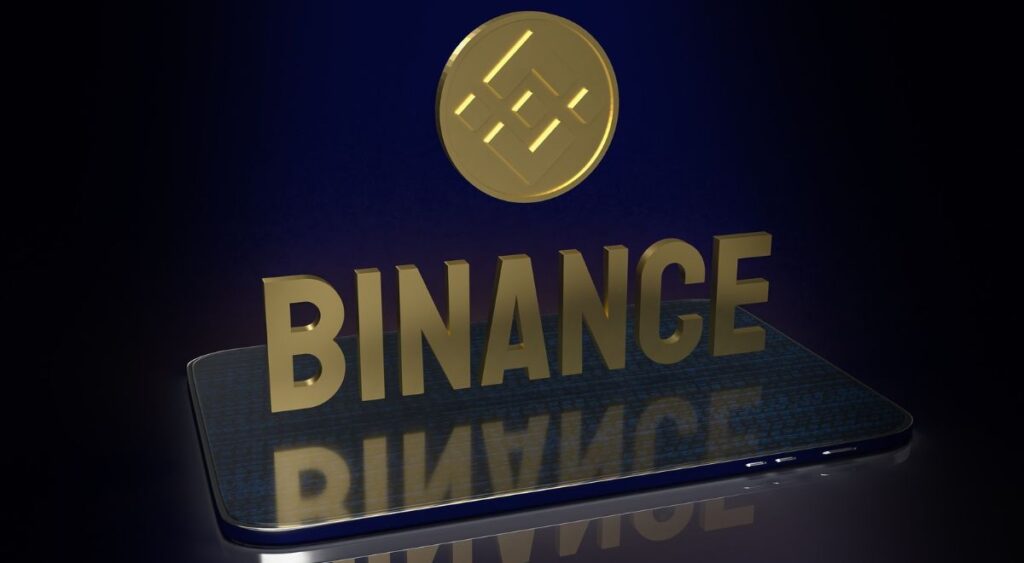
Cryptocurrency exchange Binance disclosed that hackers used sophisticated social engineering methods, including a fraudulent recruitment interview and malicious software, to gain access to employee computers before stealing approximately $6.3 billion in digital assets.
According to the company’s investigation, the attackers compromised internal systems through a coordinated operation that involved infected software, stolen credentials and unauthorised access to cryptocurrency wallet infrastructure.
The cyberattack, which culminated on October 29, ranks among the largest cryptocurrency thefts reported to date.
Reuters reported that Binance managed to freeze or intercept approximately $2.85 billion in digital assets following the breach. The exchange also committed to reimbursing affected customers.
Reuters
The incident highlighted the growing cybersecurity risks facing cryptocurrency exchanges and other financial technology companies, particularly as attackers increasingly exploit recruitment processes and employee access to sensitive systems.
Dubai’s BrokerageFinder Targets 20% of Property Recruitment Market
The episode concluded with a look at BrokerageFinder, a Dubai-based digital platform designed to connect real estate professionals with brokerage companies.
The platform allows property agents to compare potential employers based on commission structures, professional training, workplace culture and operational support.
By providing more information about brokerage firms, the company aims to help agents make better-informed career decisions while improving recruitment efficiency within Dubai’s competitive property sector.
BrokerageFinder’s founders have set a target of capturing 20% of Dubai’s real estate recruitment market by the end of 2027.
According to company figures, the platform has attracted more than 10,000 individual users since its soft launch, suggesting growing interest in recruitment services tailored specifically to the real estate industry.
UAE Property News
The developments discussed in This Week in Business underline the connections between international politics, regional energy security, corporate performance and technological change, all of which continue to influence the Gulf’s economic outlook.